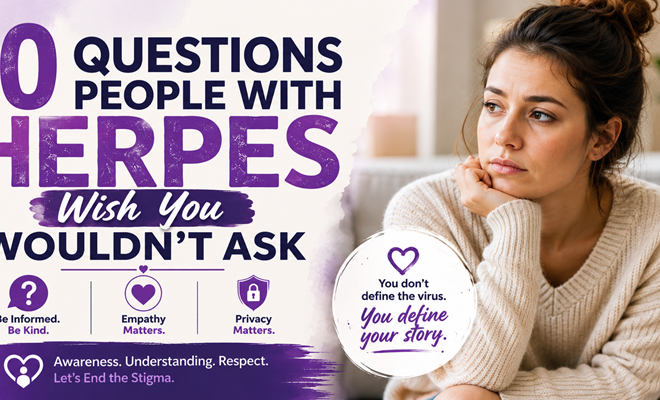
Sexually Transmitted Diseases (STDs), also known as sexually transmitted infections (STIs), continue to be a major public health concern worldwide. Despite medical advancements, millions of new infections are reported every year, many of which go undiagnosed due to stigma, lack of awareness, or fear of testing. STD Testing Day plays a vital role in changing this narrative by encouraging routine screening, open conversations, and proactive healthcare decisions.
Observed annually, STD Testing Day is more than a reminder, it is a global health awareness initiative designed to empower individuals, reduce stigma, and promote early detection. This article explores how STD Testing Day improves health awareness, why testing matters, and where individuals can find trusted community resources and support.
What Is STD Testing Day?
STD Testing Day is a public health observance dedicated to raising awareness about sexually transmitted infections and the importance of regular testing. Health organizations, clinics, NGOs, and community groups use this day to:
- Educate the public about common STDs
- Promote accessible and confidential testing
- Encourage conversations around sexual health
- Reduce stigma associated with STDs
By focusing attention on prevention and early diagnosis, STD Testing Day supports healthier individuals and stronger communities.
STD Awareness Is Still Critically Important
Despite widespread information availability, STDs remain misunderstood. Many infections show no immediate symptoms, leading people to unknowingly transmit them to partners. According to global health data:
- Millions of new STD cases occur each year
- Young adults are among the most affected age groups
- Stigma and misinformation delay testing and treatment
STD Testing Day helps bridge the gap between knowledge and action, reminding people that testing is a normal and responsible part of healthcare.
How STD Testing Day Promotes Better Health Awareness
1. Encourages Routine and Preventive Testing
One of the biggest contributions of STD Testing Day is normalizing regular testing. Many people assume testing is only necessary when symptoms appear, which is a dangerous misconception.
STD Testing Day emphasizes that:
- Anyone who is sexually active should get tested
- Regular screening protects both individuals and partners
- Early detection leads to better treatment outcomes
This message helps shift testing from a reactive response to a preventive health habit.
-
Reduces Stigma and Shame Around STDs
Stigma remains one of the biggest barriers to STD testing. Fear of judgment often prevents people from looking for help.
STD Testing Day addresses this by:
- Promoting sex-positive, non-judgmental messaging
- Sharing real stories from people living healthy lives with STDs
- Encouraging open discussions in families, schools, and communities
Reducing stigma creates a safer environment where people feel comfortable accessing care and information.
-
Educates About Symptoms, Risks, and Prevention
Health campaigns around STD Testing Day provide accurate, easy-to-understand information about:
- Common STDs like HIV, herpes (HSV), chlamydia, gonorrhea, syphilis, and HPV
- How STDs are transmitted
- Symptoms and asymptomatic infections
- Prevention methods such as condoms, PrEP, and vaccination
Education empowers individuals to make informed decisions about their sexual health.
-
Promotes Early Diagnosis and Timely Treatment
Early detection is key to preventing complications such as infertility, chronic pain, or immune system damage.
STD Testing Day highlights that:
- Many STDs are curable with early treatment
- Others, like HIV and HSV, are manageable with medication
- Early care reduces long-term health risks
By promoting testing, the initiative helps people take control of their health sooner rather than later.
-
Strengthens Public Health and Community Well-Being
When more people get tested and treated, infection rates decline. This benefits entire communities by:
- Reducing transmission
- Lowering healthcare costs
- Protecting vulnerable populations
STD Testing Day supports public health goals by encouraging collective responsibility for sexual wellness.
Who Should Participate in STD Testing Day?
STD Testing Day is for everyone, regardless of age, gender, or relationship status. Testing is especially important for:
- Sexually active individuals
- People with multiple or new partners
- Pregnant individuals
- LGBTQ+ communities
- Individuals with a history of STDs
Participating doesn’t mean something is “wrong”—it means you care about your health.
Community Resources and Support Centers
Access to reliable testing and support is essential. Below are trusted global and community resources that support STD awareness, testing, and care.
🌍 International & Global Resources
- World Health Organization (WHO) – Sexual and reproductive health education
- UNAIDS – HIV prevention, treatment, and support
- International Planned Parenthood Federation (IPPF) – Global sexual health services
🇮🇳 India-Based Support & Testing Resources
- National AIDS Control Organisation (NACO) – Free HIV testing and counseling
- Integrated Counselling and Testing Centres (ICTC) – Confidential STD/HIV testing
- Government Medical Colleges & District Hospitals – STD clinics and treatment
🇺🇸 USA & International Online Resources
- CDC (Centers for Disease Control and Prevention) – STD education and testing locator
- Planned Parenthood – Testing, treatment, and sexual health counseling
- AIDS Healthcare Foundation (AHF) – Free testing and care services
💬 Online & Community Support
- STD support forums and awareness groups
- Confidential helplines for sexual health counseling
- Peer support communities for HIV, HSV, and other STDs
These resources ensure individuals receive accurate information, confidential care, and emotional support.
How Individuals Can Support STD Testing Day
You don’t need to be a healthcare professional to make a difference. Here’s how anyone can participate:
- Get tested and encourage others to do the same
- Share awareness posts on social media
- Talk openly about sexual health without shame
- Support local clinics and NGOs
- Educate younger generations about safe practices
Small actions contribute to large-scale change.
The Role of Digital Platforms in STD Awareness
Online platforms, blogs, and dating communities play an important role in modern health awareness. By sharing factual, stigma-free information, digital spaces can:
- Reach younger audiences
- Provide anonymous education
- Encourage testing before relationships
- Connect people to support resources
STD Testing Day benefits greatly from online participation and responsible content sharing.
Looking Ahead: Building a Health-Conscious Future
STD Testing Day is not just a one-day event—it’s a reminder that sexual health is part of overall health. Ongoing education, accessible testing, and compassionate support can transform how society views STDs.
When awareness replaces fear and knowledge replaces stigma, people are empowered to live healthier, more confident lives.
Conclusion
STD Testing Day helps promote better health awareness by normalizing testing, reducing stigma, encouraging early treatment, and strengthening community health systems. It reminds us that taking care of sexual health is a responsible and positive choice.
By participating in STD Testing Day—through testing, education, or advocacy—we move closer to a world where everyone has access to information, care, and support without judgment.
Your health matters. Awareness saves lives. Testing is empowerment.