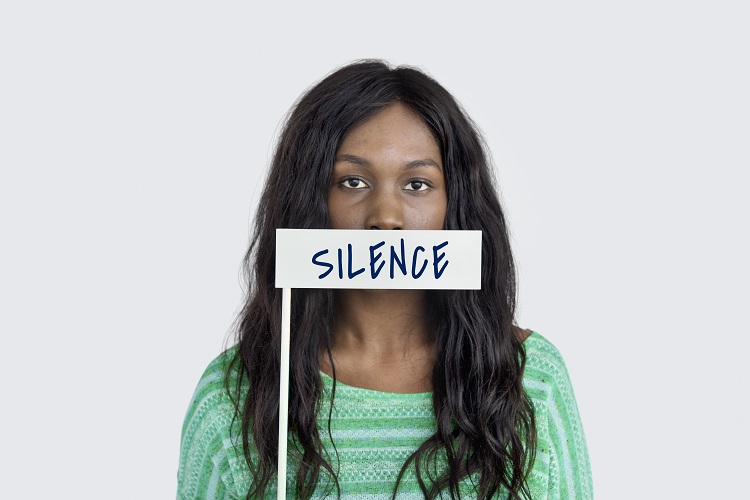
In 2026, we live in a world where conversations about mental health, identity, and wellness have become more open than ever. Yet, when it comes to sexual health, one topic still carries a heavy weight STD Stigma. Despite medical advancements, better access to information, and growing awareness campaigns, stigma surrounding sexually transmitted infections hasn’t disappeared. In many ways, it has simply evolved.
This isn’t just a medical issue. It’s social, emotional, and deeply personal. People living with an STD often face judgment, silence, and isolation—sometimes more painful than the condition itself. To truly understand why STD stigma 2026 still exists, we need to look beyond the surface and unpack the layers that continue to keep it alive.
Understanding STD Stigma in Today’s World
At its core, STD (Sexual Transmitted Disease) stigma is about perception. It’s the set of negative beliefs people attach to individuals diagnosed with an STD. These beliefs are often rooted in outdated ideas—like associating STDs with irresponsibility or moral failure.
But here’s the reality: STDs are medical conditions. They don’t define a person’s character, values, or worth.
Still, stigma persists because society hasn’t fully caught up with science. Even with rising STD awareness, many people continue to treat sexual health differently from other types of health. Someone with diabetes or high blood pressure rarely faces judgment—but someone with herpes or HPV often does.
This double standard is where stigma thrives.
Why STD Stigma Still Exists in 2026
1. Lack of Real Sexual Health Education
One of the biggest reasons stigma hasn’t faded is the ongoing gap in education. Many school systems still offer limited or outdated information about sexual health awareness. Instead of open conversations, students often receive fear-based messaging.
When people grow up hearing only about the risks, without learning about prevention, treatment, or real-life experiences, it creates fear—and fear leads to stigma.
2. Confusion Around STI vs STD Stigma
There’s still widespread confusion between infections (STIs) and diseases (STDs). This misunderstanding fuels STI vs STD stigma.
An STI can be asymptomatic and manageable, while an STD refers to a condition that shows symptoms. But socially, both terms are often used interchangeably—and negatively.
This confusion makes people assume the worst, even when the condition is mild or easily treatable.
3. Media and Cultural Narratives
Media plays a powerful role in shaping public opinion. Unfortunately, many movies, shows, and online content still portray STDs as something embarrassing or shameful.
Instead of showing real, balanced experiences, they often use STDs as punchlines or dramatic plot points. This reinforces negative stereotypes and deepens STD discrimination.
4. Fear of Rejection
Let’s be honest—dating is already complicated. For people living with an STD, it can feel even harder.
The fear of rejection keeps many people silent. They avoid conversations, delay disclosure, or withdraw from relationships altogether. This silence creates a cycle—because when people don’t talk about it, stigma grows stronger.
5. Social Judgment and Moral Bias
Even in 2026, there’s still a lingering belief that STDs are linked to “bad behavior.” This moral bias is outdated, but it hasn’t disappeared.
People can contract an STD in many ways—even within long-term relationships. Yet, society often jumps to conclusions. This judgment fuels Living With STD Stigma, making people feel ashamed of something that is, in reality, a health condition.
The Real Impact of STD Stigma
The effects of stigma go far beyond awkward conversations. It impacts mental health, relationships, and even physical well-being.
Many individuals report feelings of anxiety, depression, and low self-esteem after diagnosis—not because of the condition itself, but because of how they expect others to react.
Some avoid looking at medical care or testing due to fear of judgment. This delay can lead to complications and increases the risk of transmission.
In short, stigma doesn’t just hurt feelings—it creates real health risks.
Community Voices: What People Are Saying
Across online forums, support groups, and social communities, people are starting to speak up. These real conversations are helping shift the narrative.
One user shared:
“The diagnosis wasn’t the hardest part. It was how I thought people would see me after.”
Another wrote:
“Once I started being open about it, I realized I wasn’t alone. So many people are dealing with the same thing—they’re just not talking about it.”
These voices highlight something important: the problem isn’t the condition—it’s the silence around it.
Community-driven spaces are playing a big role in improving STD Awareness and reducing stigma. When people share their stories, it normalizes the experience and helps others feel less isolated.
Living with STD Stigma: A Personal Reality
For many, living with STD stigma means navigating daily life with an invisible weight. It shows up in small moments—hesitating before telling a partner, worrying about being judged, or even questioning self-worth.
But it’s also important to recognize resilience.
People are building relationships, finding love, and living full lives with STDs. They are proving, every day, that a diagnosis does not define a future.
How We Can Break the Cycle
Reducing stigma isn’t about one big change—it’s about consistent, everyday shifts in how we think and talk.
Normalize Conversations
Talking openly about sexual health should be as normal as discussing any other health topic. The more we talk, the less power stigma holds.
Improve Education
Accurate, modern education is key. People need to understand prevention, treatment, and the reality of living with an STD—not just the risks.
Challenge Judgment
When we hear someone making a negative comment, it’s worth questioning it. Changing social norms starts with small moments.
Support Instead of Shame
If someone shares their diagnosis, the response matters. A supportive reaction can make a huge difference.
Testimonials (Names Changed for Privacy)
“A.” (28)
“I thought my dating life was over. But when I finally told someone, they didn’t react the way I expected. That moment changed everything for me.”
“R.” (34)
“The hardest part wasn’t the diagnosis—it was the silence. Once I found a community, I felt normal again.”
“K.” (25)
“I wish I had learned about this in school. It would have saved m
The Role of Digital Communities in 2026
Online platforms have become safe spaces for people to connect, share experiences, and support each other. These communities are helping reduce STD Stigma 2026 by making conversation
From forums to dating platforms designed for people with STDs, these spaces are creating a sense of belonging. They’re also helping people build confidence and navigate relationships more openly.
Moving Toward Better Sexual Health Awareness
True Sexual Health Awareness goes beyond prevention. It includes understanding, empathy, and acceptance.
We need to shift the focus from fear to facts. From judgment to support.
When people feel safe to talk about their experiences, it leads to better health outcomes for everyone.
FAQ: Common Questions About STD Stigma
-
Why is STD stigma still so strong in 2026?
Because of outdated beliefs, lack of education, and ongoing social judgment. While awareness has improved, cultural attitudes take longer to change.
-
Is there a difference between STI vs STD stigma?
Yes, but socially they are often treated the sa
-
How can I talk to a partner about an STD?
Be honest, calm, and informed. Most people respond better than expected when the conversation
-
Does having an STD affect relationships?
It can, but it doesn’t have to. Many people build strong, healthy relationships with clear communication and trust.
-
How can we reduce STD discrimination?
Through education, open conversation
Final Thoughts
The truth is, STD Stigma is not about health, it’s about perception. And perception can change.
In 2026, we have the tools, knowledge, and platforms to shift the narrative. What’s needed now is consistency—more honest conversations, better education, and a willingness to let go of outdated beliefs.
Because at the end of the day, sexual health is just health. And everyone deserves to be treated with respect, understanding, and dignity.