
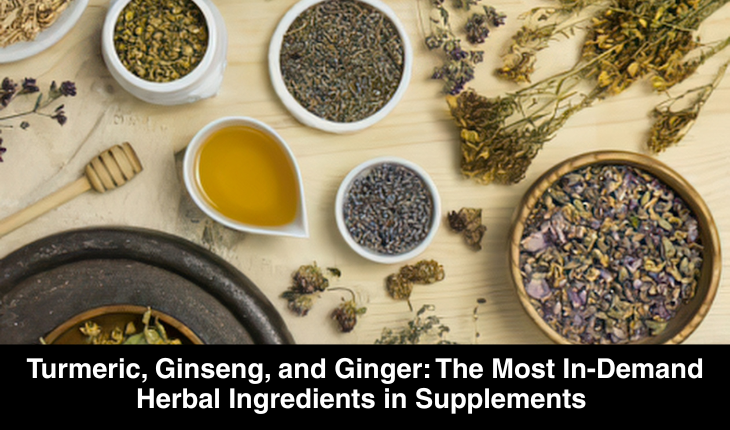
The global wellness industry has experienced significant growth in recent years, with consumers increasingly shifting toward natural and preventive healthcare solutions. One of the fastest-growing segments within this industry is the Mercado de Suplementos Alimenticios a Base de Hierbas, driven by rising awareness of plant-based nutrition, immunity support, and holistic wellness. Herbal dietary supplements are becoming a preferred choice for consumers looking for natural alternatives for maintaining long-term health and vitality.
In addition to being well-recognized as some of the top-selling herbs in the emerging health supplement industry, turmeric, ginseng and ginger are also among the most commonly used herbs in clinical practice according to traditional systems of medicine like Ayurveda (Traditional Indian Medicine) and Chinese Medicine. These
Three types of roots have a rich history of providing therapeutic properties and have also been studied scientifically for their effectiveness within the context of modern supplements.
Turmeric: The Golden Standard for Immunity and Inflammation
Turmeric has become highly popular amongst herbs used within the supplement world. Curcumin – the active ingredient in turmeric – has strong anti-inflammatory and antioxidant qualities that promote immunity, joints and general health.
As the herb-based food supplement sales’ industry grows, more people are buying turmeric products (capsules, powders, teas, gummies, and liquid extracts), while also looking for ways to incorporate turmeric into their daily lives. Turmeric has become popular due to its ability to help reduce inflammation in the body and support what is known as preventive health care or the process of keeping ourselves healthy before we get sick.
The growing post-pandemic focus on immunity and chronic disease prevention has further accelerated the demand for turmeric-based products across global markets.
Ginseng: Natural Energy and Cognitive Support
The herbal supplement industry has continued to experience steady growth due to ginseng being at the forefront as a key contributor to the success of many herbal supplements. Consumers recognize ginseng for a variety of its benefits, including increased energy, improved cognition, decreased stress, and improved performance.
Ginseng’s adaptogenic qualities help support both physical and emotional stress, thereby appealing to professional adults, students, and older adults. Various types of ginseng dietary supplement formulas, such as capsules, powder, energy drinks, and functional shots, are very common in this highly competitive market for herbal dietary supplements.
Ginseng continues to be an extremely sought-after ingredient by consumers searching for natural alternatives to synthetic stimulants regardless of their demographic.
Ginger: Digestive Wellness and Immune Health
Ginger has been known for supporting digestive health, nausea relief, metabolic support and immune function since ancient times. Because it can be used in so many different ways, it is one of the most popular herbal ingredients used in both standalone dietary supplements as well as in combination health products.
With digestive wellness becoming a major consumer priority, ginger-based supplements are seeing strong growth across developed and emerging markets alike. Within the Mercado de Suplementos Alimenticios a Base de Hierbas, ginger plays a major role in products targeting gut health, detox support, and holistic wellness.
Ginger has a great taste and offers many health benefits, which makes it particularly appealing to consumers interested in using a natural product to support their health every day.
Innovation in Supplement Formats Is Expanding Demand
Today’s consumer base does not only rely on standard capsules or tablets as a form of supplementation but has also turned to gummies, powders, herbal teas, softgels, and ready-to-drink wellness drinks. The diversification of products increasing the accessibility and convenience of using herbal supplements such as turmeric, ginseng, and ginger is enabling companies to reach larger audiences, including younger consumers and consumers who are looking for lifestyle based wellness solutions.
Online pharmacies and e-commerce websites have bolstered the distribution channels of these products providing an opportunity for companies to scale at a rapid pace.
The growing trend of personalized nutrition is also influencing the Mercado de Suplementos Alimenticios a Base de Hierbas, with brands developing customized supplement solutions for immunity, sleep, women’s health, active aging, and preventive care.
Future Outlook of Herbal Supplements
The future of the Mercado de Suplementos Alimenticios a Base de Hierbas remains highly promising as global consumers continue to prioritize natural health solutions, clean-label products, and sustainable wellness choices.
Turmeric, Ginseng and Ginger are likely the top 3 herbs that will continue to drive innovation, invest and expand globally throughout the future.
With strong consumer confidence in these herbs through both science and versatility across many product categories means they will continue to grow the global herbal (dietary) supplement industry (growth is expected).
As preventive healthcare becomes the norm, these herbs will help shape the next generation of dietary supplements.
Frequently Asked Questions (FAQs)
1. Why is the Mercado de Suplementos Alimenticios a Base de Hierbas growing rapidly?
Consumer interest in natural alternatives for health and wellbeing; the rise of preventative health solutions; support for immunity; and use of plant-based foods are all factors driving growth in the sector. More people are choosing to take herbal supplements instead of synthetic ones.
2. Why are turmeric, ginseng, and ginger the most popular herbal ingredients?
These ingredients offer multiple health benefits such as immunity support, anti-inflammatory properties, digestive health, stress management, and energy enhancement. Their long history in traditional medicine also increases consumer trust.
3. Are herbal dietary supplements better than synthetic supplements?
Many consumers prefer herbal supplements because they are perceived as more natural and gentler on the body. However, effectiveness depends on product quality, formulation, and individual health needs.
4. Which supplement format is most popular in the herbal market?
Capsules remain popular, but gummies, powders, liquid extracts, and ready-to-drink wellness beverages are growing rapidly due to convenience and improved consumer experience.
5. How does e-commerce impact the herbal supplements market?
Online pharmacies and e-commerce platforms make herbal supplements more accessible to consumers, increase product variety, and help brands reach global markets more efficiently.
6. What is the future of the Mercado de Suplementos Alimenticios a Base de Hierbas?
The market is expected to continue growing due to rising awareness of preventive healthcare, personalized nutrition, aging populations, and increasing demand for sustainable and plant-based health products.


