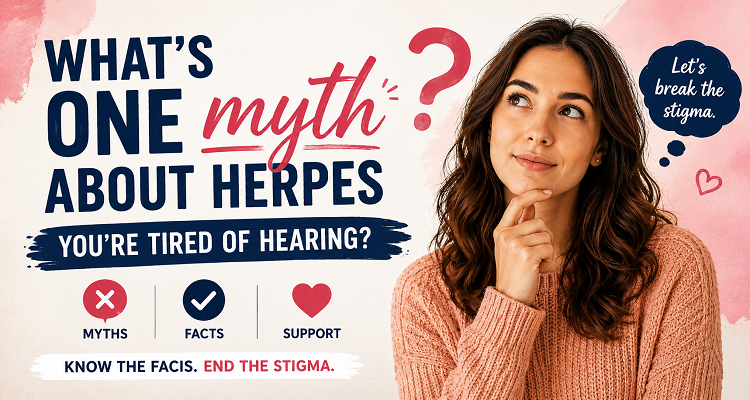
If you’ve ever spent time in herpes support groups, online forums, or dating communities, you’ve probably heard the same misconceptions repeated over and over again. Despite how common herpes is, misinformation continues to fuel unnecessary fear, shame, and stigma.
Ask people living with herpes what myth they’re most tired of hearing, and you’ll likely get a variety of answers. Some myths affect dating, others impact self-esteem, and many simply ignore modern medical facts.
Let’s take a closer look at some of the most common herpes myths and the truth behind them.
“Nobody Will Love You After Herpes”
This is one of the most painful myths people hear after diagnosis.
Many individuals immediately worry that their dating life is over, that relationships will become impossible, or that nobody will ever accept them again. These fears can create anxiety, low self-esteem, and emotional isolation.
But real-life experiences tell a very different story.
Thousands of people openly discuss successful relationships, marriages, emotional connections, and fulfilling dating experiences while living with HSV. Honest communication, trust, emotional maturity, and respect are what build strong relationships — not perfection.
Conversations about Dating With Herpes are becoming more visible online because people are tired of fear-based narratives. Many individuals are discovering that the right partners respond with empathy and understanding rather than judgment.
A diagnosis does not erase someone’s ability to experience attraction, intimacy, or genuine connection.
That truth deserves more attention.
The Real Damage Comes From Stigma
One thing repeatedly shared inside support groups is that the emotional burden often feels heavier than the physical symptoms.
People living with HSV frequently describe feeling afraid of being judged, rejected, or misunderstood. Much of that fear comes from social stigma fueled by misinformation and media stereotypes.
For years, television and internet culture treated herpes like a punchline instead of a common health condition affecting millions of people worldwide.
That’s why Herpes Awareness Matters.
Awareness creates understanding.
Understanding reduces shame.
And reducing shame helps people stop hiding in silence.
The more people speak honestly about HSV, the harder it becomes for harmful myths to survive.
“Only Certain People Get Herpes”
Another myth people are tired of hearing is the idea that HSV only affects “irresponsible” people.
HSV does not discriminate.
People from every background, age group, career path, and relationship history can have herpes. Many people contract HSV from long-term partners, while others may never even know when exposure happened.
The reality is far more common and far less dramatic than social stereotypes suggest.
Inside every active HSV support community, people often say the diagnosis chang
This is why conversations around Herpes Truth vs Myth continue growing online. People want education based on reality instead of shame.
Emotional Healing Matters Too
One of the biggest things missing from many herpes discussions is emotional support.
Medical information matters, but emotional recovery matters too.
After diagnosis, people often experience fear, sadness, embarrassment, anxiety, or loneliness. Some avoid dating completely for months because they feel unworthy of love or acceptance.
That’s where genuine Emotional Support For HSV becomes important.
Support groups, honest conversations, and shared experiences help people realize they are not alone. Sometimes hearing another person’s story can completely change someone’s perspective about their future.
Many people eventually discover that HSV does not define their identity, attractiveness, or worth.
Healing emotionally takes time, but support makes a huge difference.
Real Community Conversations
Across online communities and discussion spaces, people continue sharing the myths they wish would disappear forever.
Some say they’re tired of hearing that herpes makes someone “dirty.” Others are frustrated by jokes that treat HSV like a life-ending condition.
Many community members explain that the stigma itself causes more emotional harm than the virus ever did.
Others mention how difficult disclosure felt at first, only to later realize that honest conversations often created deeper emotional trust with partners.
These discussions are helping normalize Real Talk About HSV in ways that were rare years ago.
People want honesty.
People want compassion.
And people want spaces where they can speak without fear of humiliation.
Confidence After Diagnosis Is Possible
One of the most inspiring things shared inside support communities is how many people eventually rebuild their confidence after diagnosis.
At first, many feel broken emotionally. But over time, education, support, and real human connection help shift that mindset.
There is a growing number of people proudly identifying as HSV Positive and Confident because they no longer want shame controlling their lives.
Confidence does not mean pretending things are easy. It means understanding that a medical condition does not reduce someone’s humanity or value.
People living with HSV continue building careers, friendships, relationships, and meaningful futures every day.
That reality matters more than stereotypes ever will.
Relationships Still Thrive
One harmful myth suggests that herpes automatically destroys intimacy and relationships.
Real experiences prove otherwise.
Many couples living with HSV describe stronger communication, deeper honesty, and healthier emotional connections because they learned how to navigate vulnerability together.
Discussions about Love Beyond Diagnosis continue growing because people are finally seeing examples of healthy, supportive relationships involving HSV.
Some people meet supportive partners immediately. Others take longer to rebuild confidence before dating again. Every experience is different, but countless individuals continue finding connection, acceptance, and happiness.
A diagnosis should never convince someone they are unworthy of love.
Why Open Conversations Matter
Silence allows misinformation to grow.
Open conversations create empathy and understanding. When people speak honestly about their experiences, it becomes easier for others to stop viewing HSV through stereotypes and fear.
That’s why discussions around Breaking Herpes Stigma continue becoming more important across online communities, podcasts, blogs, and support platforms.
People deserve accurate information.
People deserve compassion.
And people deserve support without judgment.
FAQ
Is herpes common?
Yes. HSV is extremely common worldwide, and many people may not even realize they carry it because symptoms can be mild or absent.
Can people with HSV still have healthy relationships?
Absolutely. Many people living with HSV have successful relationships, marriages, and families built on honesty and trust.
Why does herpes stigma still exist?
Much of the stigma comes from outdated stereotypes, misinformation, and media jokes rather than medical reality.
Does HSV define a person?
No. HSV is a medical condition, not a measure of someone’s worth, character, or attractiveness.
Why are support communities important?
Every supportive HSV support community helps people feel less isolated while offering education, encouragement, and emotional understanding.
What’s the biggest myth people should stop believing?
That herpes makes someone undesirable or incapable of being loved. Real experiences continue proving otherwise every day.
Final Thoughts
The conversation around HSV is slowly changing because more people are choosing honesty over silence. And that’s why open discussions about Dating With Herpes and Love beyond diagnosis continue helping people rebuild confidence after diagnosis.
The more people share their stories, the easier it becomes to challenge misinformation and replace shame with understanding.
That’s why Herpes awareness matters.
That’s why Herpes truth vs myth conversations.
Nobody should feel alone because of HSV.
And nobody should feel defined by stigma.