Living with herpes can feel confusing at first, especially when you’re trying to figure out what actually helps and what’s just internet noise. There’s a lot of advice floating around, but not all of it is backed by real science or consistent experience. Understanding what works for Herpes Symptom Relief and what doesn’t can make daily management a lot easier and less stressful.
This guide breaks things down in a practical way, combining medical understanding, real-world experience, and community insights so you get a clearer picture of herpes treatment options, HSV symptom relief, and long-term herpes management.
Understanding Herpes and Why Symptoms Flare
Herpes is caused by HSV-1 or HSV-2. Once the virus enters the body, it stays dormant in nerve cells and can reactivate from time to time. These reactivations are what we call outbreaks.
Triggers vary from person to person. Some notice flare-ups during stress, illness, hormonal changes, or even lack of sleep. Others might go months or years without symptoms.
The goal of Herpes Symptoms Treatment is not just to treat outbreaks but also to reduce frequency, intensity, and discomfort.
What’s Proven to Work for Symptom Relief
Medical research and clinical experience show that a few approaches consistently help with Herpes Outbreak Relief.
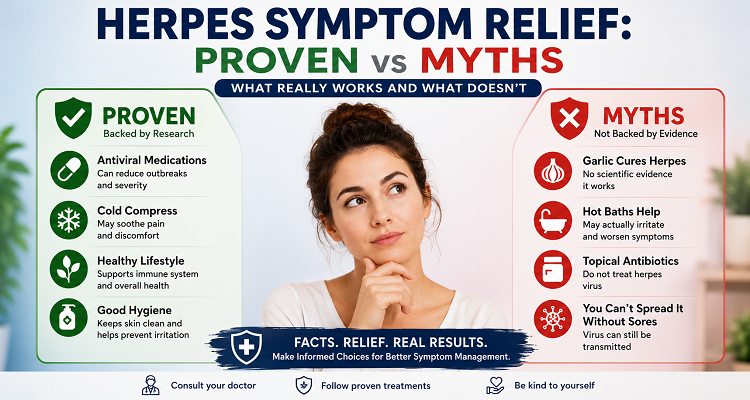
Antiviral medications are the most reliable option. Drugs like acyclovir, valacyclovir, and famciclovir work by slowing viral replication. They don’t cure herpes, but they shorten outbreaks and reduce severity. This is the backbone of modern genital herpes treatment.
Topical care also plays a role. Keeping the area clean and dry helps prevent secondary infection. Cold compresses can ease pain and burning sensations during flare-ups. These are simple but effective herpes care and relief methods that many people rely on.
Lifestyle support matters more than people expect. Sleep, stress control, hydration, and balanced nutrition all influence immune response. Many in the HSV community say outbreaks often decrease when they manage stress better.
For recurring cases, suppressive therapy is often used. This means taking antiviral medication daily to reduce outbreak frequency and lower transmission risk. It is one of the most effective long-term herpes management strategies available.
What Helps Some People but Isn’t Strongly Proven
There are several remedies that people talk about online. Some report relief, but scientific backing is limited or mixed.
Supplements like lysine are commonly discussed in herpes forums. Some users say it reduces outbreak frequency, while clinical studies show inconsistent results. It may help some individuals, but it is not a guaranteed solution for HSV-1 Treatment or HSV-2 Treatment.
Herbal creams and essential oils are another grey area. Ingredients like tea tree oil or aloe vera can soothe irritation, but they don’t directly stop viral activity. They may help comfort, but should not replace medical treatment.
Diet changes are often mentioned, too. While a balanced diet supports immune health, no specific food has been proven to cure or directly control herpes outbreaks.
What Does NOT Work (Despite Popular Belief)
There’s a lot of misinformation online about curing herpes. It’s important to separate hope from reality.
Herpes cannot be cured with home remedies, detoxes, or unregulated treatments. Claims about “permanent cures” found on social media are not supported by medical science.
Avoid relying on extreme diets, harsh chemical applications, or unverified supplements as primary treatment methods. These can sometimes worsen irritation or delay proper Herpes Symptom Relief.
A practical mindset is key—focus on management, not elimination.
Emotional Impact and Community Experience
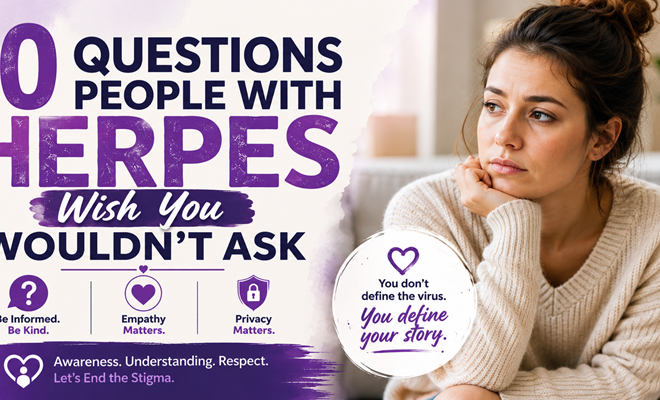
Beyond physical symptoms, herpes also affects emotional well-being. Many people report feeling anxious during their first outbreak or when dating after diagnosis.
Community discussions often highlight something important: the emotional burden usually reduces over time. Once people understand their condition and find a routine that works, confidence improves.
One commonly shared sentiment in support spaces is:
“The symptoms were harder than the diagnosis. Once I learned what works, it became manageable.”
Another user shared:
“Outbreaks became less scary when I realized I wasn’t alone and there were real Herpes Treatment Options that helped.”
These experiences show that management is not just medical—it’s also emotional and social.
Practical Daily Care That Actually Helps
Simple routines often make the biggest difference in HSV symptom relief:
Keeping the immune system steady through sleep and reduced stress often lowers outbreak frequency. Loose clothing can reduce irritation during active symptoms. Staying consistent with prescribed medication, when used, improves long-term results.
Many people also track their triggers. Over time, patterns become easier to identify, making Herpes Outbreak Relief more predictable.
Expert Perspective
Medical professionals consistently emphasize that herpes is manageable but not curable. The strongest evidence supports antiviral therapy combined with lifestyle support.
Experts also stress early treatment. Starting medication at the first sign of tingling or discomfort often reduces the severity significantly. This approach is central to effective herpes symptoms treatment.
Doctors also advise against relying solely on alternative remedies. While supportive care can help comfort, it should not replace evidence-based Genital Herpes Treatment.
FAQs
Can herpes be cured permanently?
No. There is currently no cure, but herpes management through antivirals and lifestyle care is very effective.
What is the fastest way to reduce an outbreak?
Starting antiviral medication early is the most effective method for herpes outbreak relief.
Are natural remedies enough for treatment?
They may support comfort, but are not a replacement for medical HSV-1 treatment or HSV-2 treatment.
How long do outbreaks usually last?
Most first outbreaks last longer, while recurring ones often resolve within a few days to a week with proper care.
Can stress really trigger outbreaks?
Yes. Stress is one of the most common triggers reported in both clinical studies and community discussions.
Final Thoughts
Managing herpes is less about finding a cure and more about understanding your body and choosing what works consistently. With the right combination of medical support, self-care, and awareness, most people find that symptoms become manageable over time.
The key is staying informed, avoiding misinformation, and focusing on proven approaches to Herpes Symptom Relief, herpes treatment options, and long-term well-being. What starts as uncertainty often turns into control once the right routine is in place.