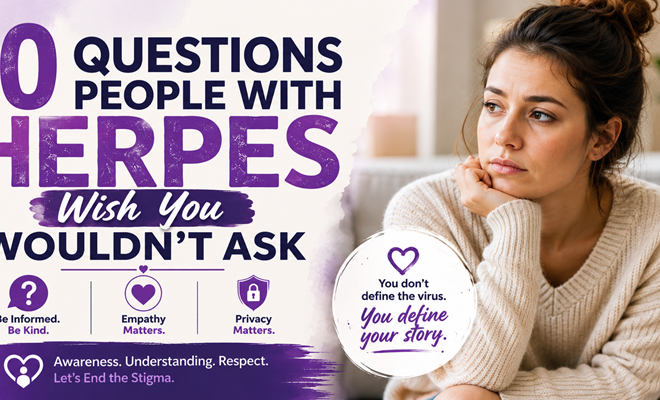
Telling another woman that you have herpes can feel overwhelming, but it does not have to define your dating experience or your future relationships. Many women worry about rejection, judgment, or saying the wrong thing, yet open communication is often what creates the strongest emotional connections. If you’re wondering how to share your diagnosis, remember that herpes is a common and manageable condition, and being honest shows respect for both yourself and your partner.
Choosing Confident Herpes Disclosure is not about focusing on your diagnosis—it’s about building trust from the beginning. With the right mindset, accurate information, and compassion, disclosure can become the first step toward a healthy and meaningful relationship.
Why Herpes Disclosure Is Important
Being honest about your herpes status before becoming physically intimate allows both people to make informed decisions together. Disclosure is not simply about preventing transmission; it is about creating a relationship built on honesty and mutual respect. Many women find that Honest Herpes Conversations strengthen emotional intimacy because they demonstrate vulnerability and integrity. Although it is natural to fear rejection, keeping your diagnosis secret often creates more anxiety than having an open discussion. A partner who values trust will appreciate your honesty, even if she needs time to process the information.
Choose the Right Time and Place
Timing can make a significant difference in how the conversation unfolds. There is no need to disclose your diagnosis on the first date, but it should happen before sexual intimacy. Pick a quiet and private setting where both of you can talk without distractions or feeling rushed. Avoid bringing up the conversation during an argument, through text messages, or moments before becoming intimate. A calm environment encourages thoughtful discussion and allows your partner to ask questions without pressure. These moments often lead to Healthy Relationship Communication, which is essential for any lasting relationship.
Prepare Yourself Before the Conversation
Before talking with your partner, take time to understand your own diagnosis and how herpes is managed. Learning about antiviral medication, reducing transmission risks, recognizing outbreaks, and practicing safer sex will help you answer questions confidently. Preparing yourself emotionally is equally important. Remind yourself that herpes does not define your character, attractiveness, or ability to love someone. Confidence comes from accepting yourself first. Following practical Herpes Disclosure Tips can help you approach the conversation with honesty rather than fear.
Keep the Conversation Honest and Simple
You do not need a perfect speech or rehearsed script. The most effective conversations are genuine and straightforward. You might begin by saying that you care about the relationship and want to be honest before becoming physically intimate. Explain that you have herpes, that you manage it responsibly, and that you are willing to answer any questions. Avoid apologizing for who you are or assuming your partner will reject you. A calm and respectful tone often encourages a positive response. These Honest Herpes Conversations allow both partners to communicate openly instead of relying on myths or assumptions.
Give Her Time to Process the Information
Everyone reacts differently to unexpected news. Some women may immediately ask questions, while others may need time to think before responding. Silence does not necessarily mean rejection. Respect her feelings and allow her space to process what you have shared. Encourage her to learn more from reliable medical resources if she wants additional information. This patient approach supports Herpes Trust Building, showing that you respect her feelings while remaining honest about your own experience.
Focus on Facts Instead of Fear
One of the biggest challenges during disclosure is overcoming misinformation. Many people know very little about herpes and may only have heard common myths. Explain that herpes is a common viral infection affecting millions of people worldwide and that many individuals have few or no symptoms. Discuss how antiviral medications, avoiding intimacy during outbreaks, and using protection can significantly reduce the risk of transmission. Providing accurate information helps replace fear with understanding and supports a more informed conversation. Good Herpes Dating Advice always includes education alongside emotional support.
Building a Relationship Beyond the Diagnosis
After disclosure, remember that herpes is only one part of your life. Continue getting to know each other, sharing your interests, values, and goals. A successful relationship grows through consistent honesty, shared experiences, and mutual respect. Many couples discover that having difficult conversations early actually strengthens their emotional connection. This is where Healthy Relationship Communication becomes the foundation for long-term trust. Your diagnosis should never become the center of your identity or your relationship.
Women Supporting Women Through Understanding
Support from other women can make a tremendous difference after a herpes diagnosis. Online communities, local support groups, and women’s health organizations provide safe spaces to share experiences, ask questions, and receive encouragement. These communities remind women that they are not alone and that healthy relationships are still possible. The spirit of Women Supporting Women helps reduce stigma and replaces shame with confidence. Hearing real stories from others often provides hope and reassurance before having your own disclosure conversation.
Community Resources You Can Trust
Reliable information is essential when discussing herpes with a partner. The Centers for Disease Control and Prevention (CDC) provides evidence-based guidance on herpes symptoms, treatment, and prevention. The American Sexual Health Association (ASHA) offers educational resources, disclosure advice, and sexual health information that many healthcare professionals recommend.
LGBTQ+ community health centers also provide counseling, education, and support for women navigating relationships after a herpes diagnosis. Speaking with a healthcare provider or licensed therapist can also improve confidence before disclosure.
Frequently Asked Questions
When should I tell another woman I have herpes?
The best time is before any sexual intimacy, after you’ve established trust and can have a private, relaxed conversation.
What if she rejects me?
Rejection can happen in any relationship. It reflects personal comfort levels rather than your worth. Honesty helps you find someone who values openness and trust.
Can two women transmit herpes to each other?
Yes. Herpes can spread through skin-to-skin contact, oral sex, and shared intimate contact, making disclosure and safer practices important.
Is herpes manageable?
Yes. Most people manage herpes successfully with antiviral medication, healthy habits, and guidance from a healthcare provider.
Where can I find support?
Trusted resources include the CDC, the American Sexual Health Association (ASHA), LGBTQ+ health centers, healthcare providers, and supportive herpes communities.
Final Thoughts
Learning how to tell another woman you have herpes takes courage, but it is also an opportunity to build a relationship based on honesty and respect. Practising Confident Herpes Disclosure, following practical Herpes Disclosure Tips, and encouraging Honest Herpes Conversations can strengthen trust instead of creating distance.
Not every conversation leads to a relationship, but every honest conversation allows you to stay true to yourself. Whether you are beginning Positive Herpes Dating, focusing on Herpes Trust Building, or continuing your Confident Love Journey, remember that your diagnosis does not define your future.
By following a thoughtful Safe Disclosure Guide, educating yourself, and embracing Healthy Relationship Communication, you can create genuine connections with partners who appreciate your honesty and value you for who you truly are.