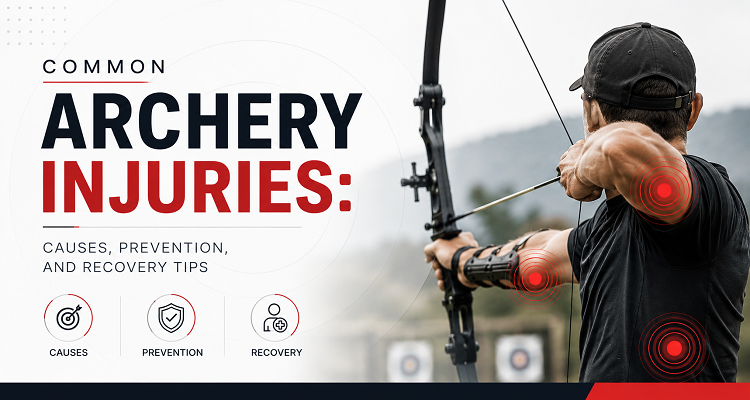
Archery is often seen as a safe sport because it does not involve physical contact like football, rugby, or hockey. However, that does not mean injuries cannot happen. Archers repeat the same movements many times during practice and competition, which can put stress on muscles, tendons, and joints. Over time, this repeated stress may lead to pain or injury if the body is not properly prepared and cared for.
Most archery injuries do not happen suddenly. Instead, they develop gradually because of overuse. An archer may notice a small ache in the shoulder or wrist at first, but if the problem is ignored, it can become more serious. This is why understanding common archery injuries is important for both beginners and experienced athletes.
By learning what causes these injuries, how to prevent them, and what to do during recovery, archers can stay healthy and continue enjoying the sport for many years. Growing awareness of athlete health and injury prevention has also increased interest in sports medicine research and rehabilitation programs, reflecting broader developments across the sports medicine market. These advances are helping athletes in many sports, including archery, recover more effectively and reduce the risk of long-term injuries.
How Archery Injuries Develop
Archery requires much more physical effort than many people realize. Every shot involves a combination of strength, balance, coordination, and concentration. During a training session, an archer may shoot dozens or even hundreds of arrows. Repeating the same movement can place stress on specific parts of the body.
Unlike contact sports, where injuries often come from falls or collisions, most injuries in archery are caused by repetitive strain. When muscles become tired or technique starts to break down, extra pressure is placed on joints and soft tissues. Over time, this can lead to pain, inflammation, or reduced movement.
Several factors can increase the risk of injury. Poor shooting form, using equipment that is too heavy, increasing training volume too quickly, skipping warm-ups, and not getting enough recovery time can all contribute to archery sports injuries.
Shoulder Injuries in Archery
Shoulder problems are among the most common issues seen in archery because the shoulder is active in both drawing and holding the bow. The joint works in a stable but stressed position for long periods during shooting.
Rotator cuff irritation is a frequent condition in archers. It develops when the small muscles and tendons around the shoulder become overloaded. Early signs often include mild pain during shooting or stiffness after training. Over time, this can affect strength and range of motion.
Another issue is shoulder impingement, where soft tissues inside the joint become compressed during movement. This is often linked with poor posture or weak shoulder control. Athletes may feel discomfort when raising the arm or during repeated shooting sessions.
Good shoulder health depends on balanced strength and control. Studies in sports medicine highlight the importance of scapular stability and rotator cuff strength in overhead and precision sports (Kibler et al., 2006). Proper warm-up and controlled training load can reduce the risk of shoulder injuries.
Elbow Injuries in Archery
The elbow plays an important role in transferring force between the shoulder and wrist. Because of repeated use during drawing and release, it can become irritated over time.
One common condition is lateral epicondylitis, often known as tennis elbow. It causes pain on the outside of the elbow and is linked to overuse of forearm muscles. Archers may notice discomfort while gripping the bow or during release.
Medial epicondylitis, or golfer’s elbow, affects the inner side of the elbow. It usually develops from repeated strain during pulling and stabilising the bowstring.
Both conditions are closely related to repetitive loading rather than sudden injury. Managing training volume and improving forearm strength can help reduce stress on the elbow joint.
Wrist and Hand Injuries
The wrist helps maintain alignment and control during shooting. Even small changes in wrist position can affect how force is distributed through the arm.
Wrist pain often develops due to repeated strain or poor alignment. Archers may experience stiffness or discomfort after long training sessions. In some cases, tendons around the wrist become irritated due to continuous use.
Keeping a neutral wrist position is important for reducing unnecessary stress. Excessive grip tension should also be avoided, as it increases load on the forearm and wrist structures. Sports injury research highlights that proper load distribution through correct technique is essential for reducing overuse injuries in precision sports (Anderson and Hall, 2023).
Finger Injuries in Archery
The fingers are directly involved in controlling the bowstring, making them especially vulnerable to overuse problems. Even small amounts of repeated stress can cause discomfort over time.
One common issue is tendon irritation. Archers may notice soreness in the fingers after long shooting sessions. In some cases, the fingers may feel stiff or less flexible than usual.
Numbness or tingling can also occur when nerves in the fingers are placed under repeated pressure. While these symptoms are often temporary, they should not be ignored if they continue or become more frequent.
Skin problems are another concern. Blisters, calluses, and irritation can develop when finger protection is not used correctly or when training volume increases suddenly.
Using a properly fitted finger tab or glove can help reduce stress on the fingers. Taking regular breaks during long practice sessions can also help prevent overuse problems.
Neck Injuries in Archery
Many archers are surprised to learn that neck pain is common in the sport. During aiming, the head is often held in the same position for extended periods. This can place stress on the muscles of the neck and upper shoulders.
At first, an archer may simply notice stiffness after training. However, if the problem continues, it can lead to ongoing discomfort, reduced movement, and even headaches.
Poor posture is one of the biggest causes of neck pain in archery. When the shoulders round forward or the upper back becomes weak, the neck muscles must work harder to maintain proper alignment.
Regular stretching and strengthening exercises can help reduce neck strain. Improving posture throughout the day-not just while shooting-can also make a noticeable difference.
Back Injuries in Archery
The back plays a major role in producing a strong and stable shot. Experienced archers rely on their back muscles to support the draw and maintain control throughout the shooting process.
When these muscles are not used correctly, other parts of the body may have to work harder. This can increase fatigue and raise the risk of injury.
Upper back strain is a common problem, particularly among archers who shoot frequently without adequate conditioning. Symptoms may include soreness, tightness, and discomfort during shooting.
Lower back pain can also develop, especially during long training sessions or competitions that require extended periods of standing. Weak core muscles and poor posture often contribute to this issue.
Strengthening the core and improving overall posture can help reduce pressure on the spine. Many coaches encourage archers to focus on proper body alignment to protect both the back and shoulders.
Archery Injury Prevention
Good injury prevention habits can help archers stay healthy and improve performance at the same time. One of the most important steps is maintaining proper shooting technique. Even small mistakes repeated hundreds of times can eventually lead to pain and overuse injuries.
Strength training is another valuable tool. Exercises that target the shoulders, upper back, core, and forearms can help the body handle the physical demands of archery more effectively. A stronger body is often better able to tolerate repetitive movements.
Flexibility and mobility work are equally important. Tight muscles can limit movement and force the body into uncomfortable positions. Regular stretching and mobility exercises help keep joints moving freely and reduce unnecessary strain.
Archers should also avoid increasing training volume too quickly. Gradual progress gives muscles and tendons time to adapt. Sudden jumps in workload are a common cause of injuries in archery.
Finally, equipment should match the athlete’s strength and experience level. A bow that is too heavy may place unnecessary stress on the body and increase injury risk.
Why Warm-Up Matters in Archery
A proper warm-up helps prepare the body for shooting and can lower the risk of injury. It also increases blood flow, allowing muscles to work more smoothly and efficiently during practice.
A simple warm-up can start with a few minutes of light activity such as walking, jogging, or cycling. This is usually followed by dynamic movements that prepare the shoulders, arms, neck, and back for the demands of archery.
Exercises like arm circles, shoulder rolls, torso rotations, and wrist movements are especially helpful before shooting. Some archers also include resistance band exercises to activate the upper back and shoulder muscles more effectively.
Spending just 10 to 15 minutes on a proper warm-up can make a clear difference in both performance and injury prevention over time.
Recovery Tips for Archers
Recovery is an essential part of training. Without enough recovery time, the body may struggle to repair and strengthen itself after practice.
Getting enough sleep is one of the most effective recovery strategies available. During sleep, the body repairs damaged tissues and prepares for future physical activity.
Good nutrition and hydration are also important. Muscles and tendons need the right nutrients to recover from training. Drinking enough water helps support normal body function and overall health.
When an injury occurs, complete rest is not always the best solution. Modern sports medicine often recommends a gradual return to activity. Controlled exercises can help restore strength and movement while preventing excessive stiffness.
Archers should avoid rushing back into full training. Returning too quickly can increase the chance of reinjury and slow the overall recovery process.
Read more: Top 10 Vegan And Vegetarian Food Delivery Options
When Should You Seek Medical Advice?
Minor aches and muscle soreness are common after physical activity, but some symptoms should not be ignored. Severe pain, swelling, weakness, numbness, or loss of movement may indicate a more serious problem.
If symptoms continue for several weeks despite rest and self-care, it is a good idea to consult a healthcare professional. Early treatment can often prevent small problems from becoming long-term injuries.
Sports medicine doctors and physiotherapists can identify the cause of the problem and recommend an appropriate recovery plan.
Frequently Asked Questions
What are the most common archery injuries?
The most common archery injuries affect the shoulder, elbow, wrist, fingers, neck, and back. Most develop gradually due to repetitive strain and overuse.
Why are shoulder injuries common in archery?
The shoulders are heavily involved in drawing, holding, and stabilizing the bow. Repeating these actions many times can place stress on muscles and tendons.
How can archers prevent injuries?
Archers can reduce injury risk by using proper technique, warming up before practice, strengthening key muscle groups, managing training volume, and allowing enough recovery time.
Can beginners get archery injuries?
Beginners may be at risk if they use incorrect technique, shoot with equipment that is too heavy, or increase practice volume too quickly.
How long does recovery from an archery injury take?
Recovery time depends on the type and severity of the injury. Minor problems may improve within a few weeks, while more serious conditions can require several months of rehabilitation.
Conclusion
Archery is a skill-based sport that places repeated stress on the body, especially the upper limbs, neck, and back. Most archery injuries develop slowly due to overuse and can often be prevented with proper training habits.
Good technique, balanced strength training, proper warm-up, and controlled training load all play an important role in reducing injury risk. With the right approach, archers can maintain both performance and long-term physical health while minimising common archery injuries.
References
Anderson, M.K. and Hall, S.J. (2023) Sports Injury Management. Philadelphia: Wolters Kluwer.
American College of Sports Medicine (2024) ACSM’s Guidelines for Exercise Testing and Prescription. Philadelphia: Wolters Kluwer.
Hume, P.A., Keogh, J. and Reid, D. (2005) ‘The role of biomechanics in maximizing distance and accuracy of archery performance’, Sports Medicine, 35(4), pp. 303–313.
Kibler, W.B., Press, J. and Sciascia, A. (2006) ‘The role of core stability in athletic function’, Sports Medicine, 36(3), pp. 189–198.
World Archery (2024) Athlete Preparation and Injury Prevention Resources. Lausanne: World Archery Federation.
World Health Organization (2023) Physical Activity and Health Guidelines. Geneva: WHO.